
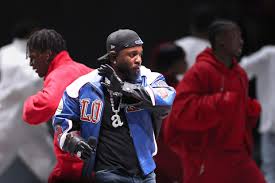
Kendrick Lamar’s halftime performance at Super Bowl LIX on February 9, 2025, was a remarkable experience that went beyond entertainment. It offered profound insights into societal issues, personal conflicts, and the richness of cultural identity. As the first solo rapper to headline the Super Bowl halftime show, Lamar leveraged this incredible platform to share a multifaceted narrative filled with symbolism and political depth.
**A Bold Political Statement**
Lamar’s performance was filled with powerful political messages that resonated deeply. When Samuel L. Jackson took the stage as Uncle Sam, it brought to life the American political landscape with a touch of satire. This clever choice emphasized the challenges faced by African American artists and the wider Black community. During “HUMBLE,” dancers in red, white, and blue created a fragmented American flag, showcasing the nation’s divide and the urgent need for unity. Lamar’s chant, “The revolution ’bout to be televised, you picked the right time but the wrong guy,” rang out as a passionate call to action against societal injustices. His nod to “forty acres and a mule” served as a poignant reminder of the promises still unmet for freed slaves, highlighting ongoing racial inequalities.
**Personal Rivalries on a Public Stage**
At the heart of the performance was Lamar’s ongoing clash with fellow rapper Drake. The setlist featured “Not Like Us,” a track that many saw as a pointed jab at Drake. Lamar’s bold approach in addressing this rivalry during such a monumental event was truly groundbreaking, merging personal conflict with public performance art. Delivering his pointed lyrics while making direct eye contact with the camera intensified the dramatic atmosphere. The surprise appearance of Serena Williams, rumored to have dated Drake in the past, added intrigue to the moment as she performed the Crip Walk, a dance rich with cultural significance. Same dance that she was slammed for at the Wimbledon back in 2012.
**Cultural and Social Commentary**
Lamar’s performance deeply explored themes surrounding cultural identity and societal expectations. Samuel L. Jackson’s portrayal of Uncle Sam illustrated the strong influence that American political structures exert over Black artists. This creative representation critiqued the limitations placed on artistic expression and the commercialization of Black culture. With dynamic choreography and stage design that referenced popular phenomena like “Squid Game” and gaming consoles, the performance also hinted at a critique of the commercialization of the American Dream, shining a light on the often exploitative nature of the entertainment industry.
**Audience Reception and Impact**
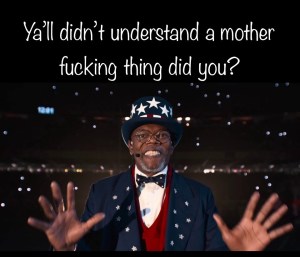
The performance received widespread praise for its artistic bravery and depth. Critics celebrated Lamar for favoring “artistry over more obvious showmanship,” resulting in a set that was both thought-provoking and visually striking. The Guardian remarked that Lamar’s unique approach resonated powerfully with audiences, setting a fresh benchmark for halftime shows. More than just a performance, it sparked important conversations about the role art plays in social commentary and what it means for artists to act as cultural commentators.
Kendrick Lamar’s Super Bowl LIX halftime show was a dazzling celebration that beautifully wove together political themes, personal narratives, and cultural reflections. By utilizing the grand stage of the Super Bowl, Lamar invited viewers to confront the complex realities of society, art, and identity, reinforcing his status as an inspiring figure in today’s music and culture.
Check out the whole performance here.
 The Yaptain's Corner
Leave a comment