
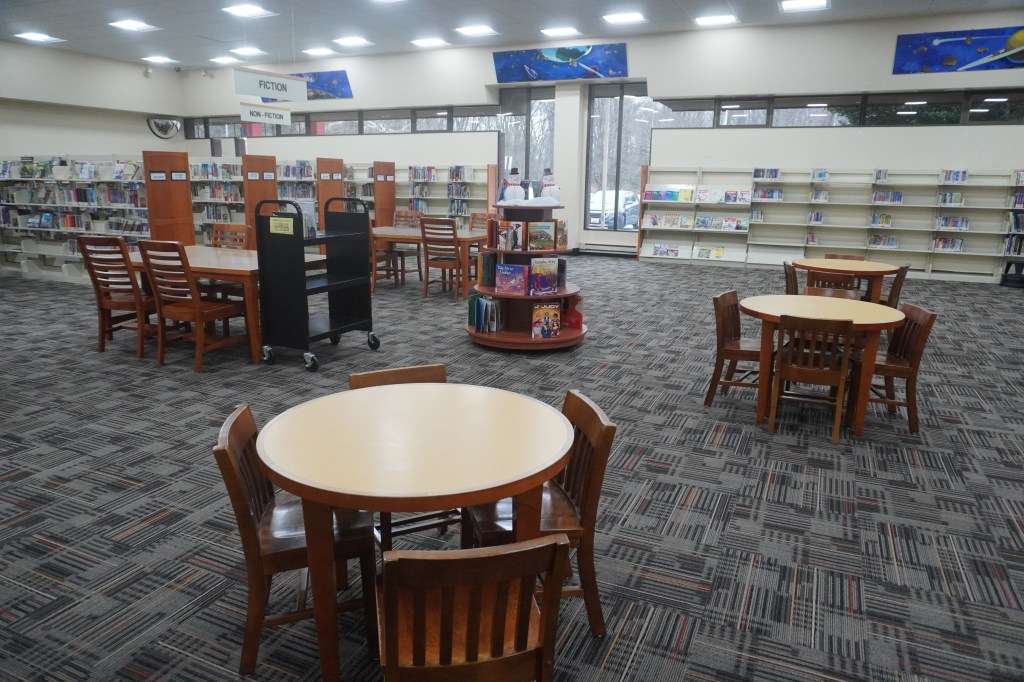
Society has a reading crisis that needs to be fixed. Technology often takes center stage when people discuss education; however, the timeless practice of reading, the cornerstone of intellectual and emotional development, has taken a downfall. While the state of Maryland focuses an unfair amount of its resources on the schools in Baltimore, they do not realize that this crisis is statewide. Academic data from Prince George’s County Public Schools indicates that most students perform below grade level, falling short of English/language arts expectations. Let’s explore the critical need for Grade-level reading in the public schools of Prince George’s County, Maryland, and urge parents to engage actively in daily reading sessions.
Digital Distractions
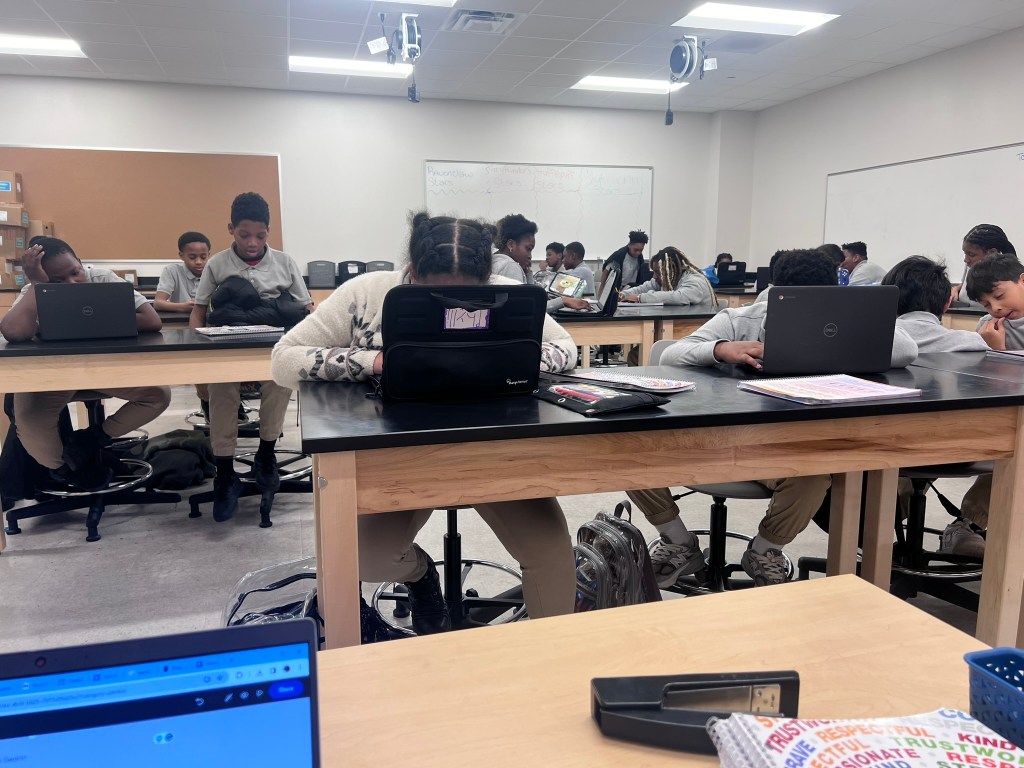
Reading is a fundamental skill that transcends time and culture, serving as a cornerstone of human intellectual and societal progress. Its importance goes beyond mere knowledge acquisition; it catalyzes critical thinking, imagination, empathy, and mind growth. One contributing factor to the decline in reading skills is digital distractions. Technology, often viewed as a culprit in the decline of reading skills, can also be harnessed as a powerful tool for improvement. Children are exposed to many electronic devices and digital content that compete for their attention. Social media, video games, and instant messaging have become persistent, often overshadowing reading growth. Watch Shari Grant discuss her experience teaching reading language arts in the digital age.
Educational apps, audiobooks, and online resources can complement traditional reading methods and cater to diverse learning styles. Integrating technology thoughtfully and purposefully can make reading more accessible and engaging for students, bridging the gap between the digital age and traditional literacy.
Listen to this interview with 6th grade Reading/Language Arts educator Cherie Williams.
Lack of Resources
A child’s first teacher is their parents. It is up to the parents to expose their kids to books. The problem is that schools in poor neighborhoods may lack the resources necessary for a robust literacy program. Limited access to quality libraries, outdated textbooks, and a shortage of well-trained teachers can hinder the development of strong reading skills. Adolescent struggling readers in urban schools exhibit a distinct reading component skill profile marked by challenges across various domains.
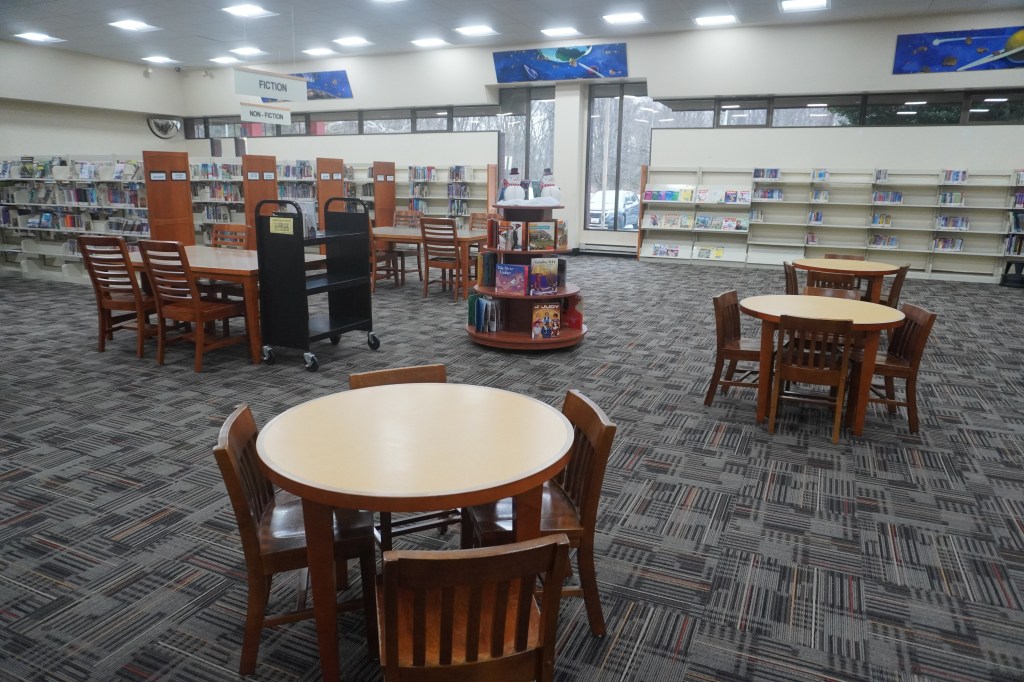
Gavin Howard, a former 3rd-grade Reading educator and Librarian with the Prince George’s County Library System, discusses this issue and shares his experiences.
A study in the Journal of Research in Reading, being literate is key to success in the modern world, enabling employment, decreasing dependency on state benefits, and improving participation in the democratic process.
These readers often grapple with decoding skills, phonics, and word recognition difficulties that impede accurate and fluent reading. Limited vocabulary contributes to comprehension issues, affecting students’ understanding of complex texts. Addressing these challenges requires targeted interventions, including comprehensive literacy programs, decoding and vocabulary development support, strategies to enhance comprehension and engagement, and recognizing cultural and linguistic factors for inclusive and effective literacy instruction in urban schools.
The decline in reading skills is also tied to a lack of emphasis on early childhood literacy. Pew research shows that children exposed to books and reading from an early age are more likely to develop strong reading abilities. Many children in urban areas may not have access to books at home or have been exposed to books that they find interesting. Betty Tinnin, Librarian at Oxon Hill Library, gave some insight.
Socio-Economic Crisis
Urban schools are situated in economically disadvantaged neighborhoods, where students may face additional challenges outside the classroom, including but not limited to access to nutritious meals, inadequate healthcare, and a lack of parental involvement due to demanding work schedules.
According to a report by The Community Foundation, despite being one of the wealthiest majority Black jurisdictions in the country, Prince George’s has the lowest household income in the region, which is a nod to Greater Washington’s significant and historic racial wealth gap. Prince George’s County Public Schools contains 206 schools and 128,770 students. The district’s minority enrollment is 100%. Also, 40.1% of students are economically disadvantaged. This adversely affects children’s reading skills in public schools due to limited resources, inadequate early education, health and nutritional challenges, reduced parental involvement, and elevated stress levels.
Maryland Comprehensive Assessment Program (MCAP)
Prince George’s County Public Schools mandate the Maryland Comprehensive Assessment Program (MCAP) for English language arts and mathematics. Administered annually in grades three to eight and high school, these tests evaluate students’ adherence to grade-level standards. After completing relevant courses, students undergo testing in English 10 and Algebra I, Geometry, or Algebra II.
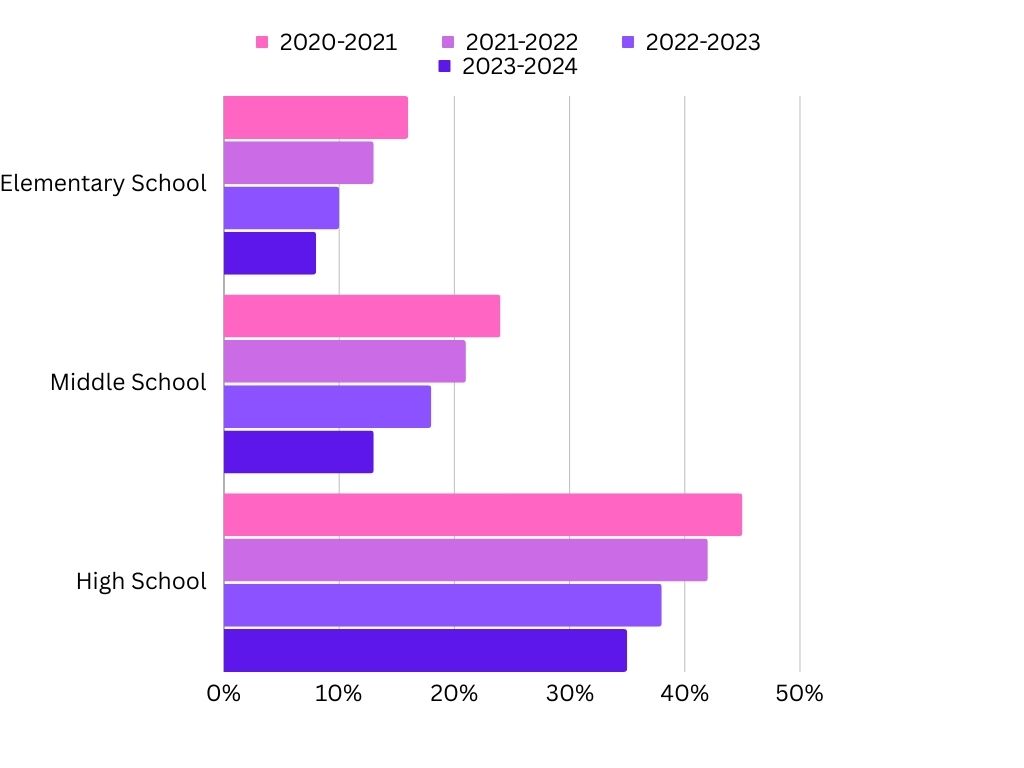
The graph above shows that within Prince George’s County Public Schools, 45% of high school students demonstrated proficiency or above in reading during the 2020-2021 Benchmark Assessment, 21% in middle school, and 16% in Elementary School. Furthermore, there is an alarming 3% decreases in scores upon returning to in person learning.
The Book Ban
There is a growing effort to censor the freedom to read any book, no matter the subject. PEN America defines a school book ban as any action taken against a book based on its content and as a result of parent or community challenges, administrative decisions, or in response to direct or threatened action by lawmakers or other governmental officials that leads to a previously accessible book being either wholly removed from availability to students, or where access to a book is restricted or diminished. The American Library Association (ALA) reported that there were over 729 attempts to ban approximately 1,597 individual books in 2021 alone. These numbers are on the rise since 2022. Censoring literature creates division and sets up barriers, depriving readers of the chance to broaden their knowledge and explore new perspectives.

Teacher Shortage
The demands on educators in urban schools can be overwhelming, with large class sizes, limited resources, and lack of support. Overcrowded classrooms have made it difficult for teachers to provide individualized attention to each student. It hinders effective classroom management, making it challenging to address the diverse learning needs and behavioral issues that affect students’ reading skills.
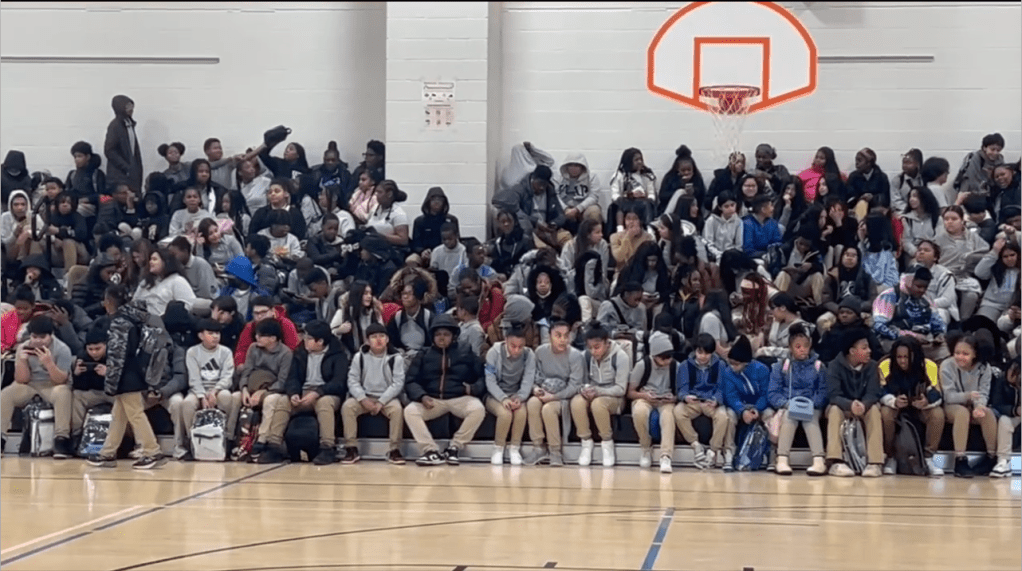
The job demands also lead to fatigue, decreased job satisfaction, and a higher teacher turnover rate between 2020-2023. The constant turnover further exacerbates the challenges faced by urban schools. Hiring teachers is confronted with numerous challenges, encompassing a decrease in enrollment in Early Childhood and Elementary Teacher Education programs at both local and national levels. Prospective candidates face hurdles in meeting the Maryland State Department of Education (MSDE) certification requirements, including the financial strain of covering the costs of additional mandatory courses for certification completion. The State of Maryland mandates dual certification in special education and early childhood for teachers in early childhood centers, further compounding the challenges. The dwindling number of individuals enrolling in teacher preparation programs in higher education and alternative pathways has resulted in a scarcity of teacher candidates.
Message to Parents of K-12 Children
Children reading at the grade level can no longer be overlooked. It catalyzes cognitive development, fostering critical thinking and analytical skills. Reading nurtures imagination and creativity, providing an essential outlet for the human need to explore and envision. Moreover, it cultivates empathy and emotional intelligence, contributing to developing compassionate and understanding individuals. A strong reading culture is the cornerstone of an informed, tolerant, and democratic society. Reading promotes education, economic development, and cultural richness. As we navigate the complexities of the 21st century, the enduring significance of reading remains a guiding light, illuminating the path to intellectual, emotional, and societal growth.
If you need help with your children’s reading skills, visit your local Prince George’s County library. Follow Prince George’s Public School System (PGCPS), the Maryland Board of Education, and Prince George’s County Executive; Angela Alsobrooks on Twitter and email your district’s representative. Also, join the discussion with other parents and educators on the PGCPS Facebook Group.
 The Yaptain's Corner
Leave a comment