
Conversations about the value of diversity representation in Hollywood have been picking up momentum. But what about classroom representation?
In this era where gender equality and inclusivity are paramount, discussions often revolve around empowering women and promoting gender balance. While these conversations are undeniably essential, there is another side of the coin that merits equal attention: the importance of male representation in public schools. The presence of male educators in educational institutions holds a plethora of benefits that significantly impact students, the teaching profession, and society as a whole.
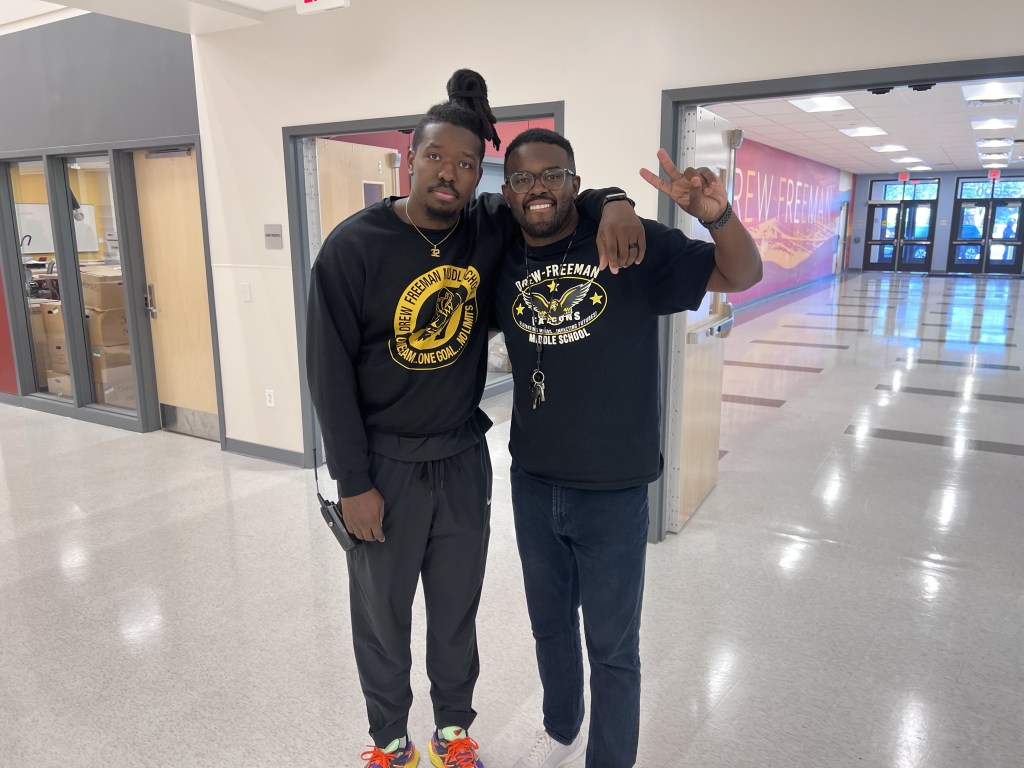
Male representation in public schools diversifies the pool of role models available to students. Children need a variety of influences to help shape their values, interests, and aspirations. Just as young girls benefit from female teachers who inspire them to break stereotypes and pursue careers in traditionally male-dominated fields, young boys benefit from male role models who embody qualities like compassion, empathy, and emotional intelligence.
They bring different life experiences, teaching methods, and approaches to the classroom. This diversity of teaching styles and perspectives can cater to the diverse needs of students, helping to engage those who may not respond as effectively to a female teacher’s methods. It also promotes a holistic approach to education that values diversity and inclusivity.
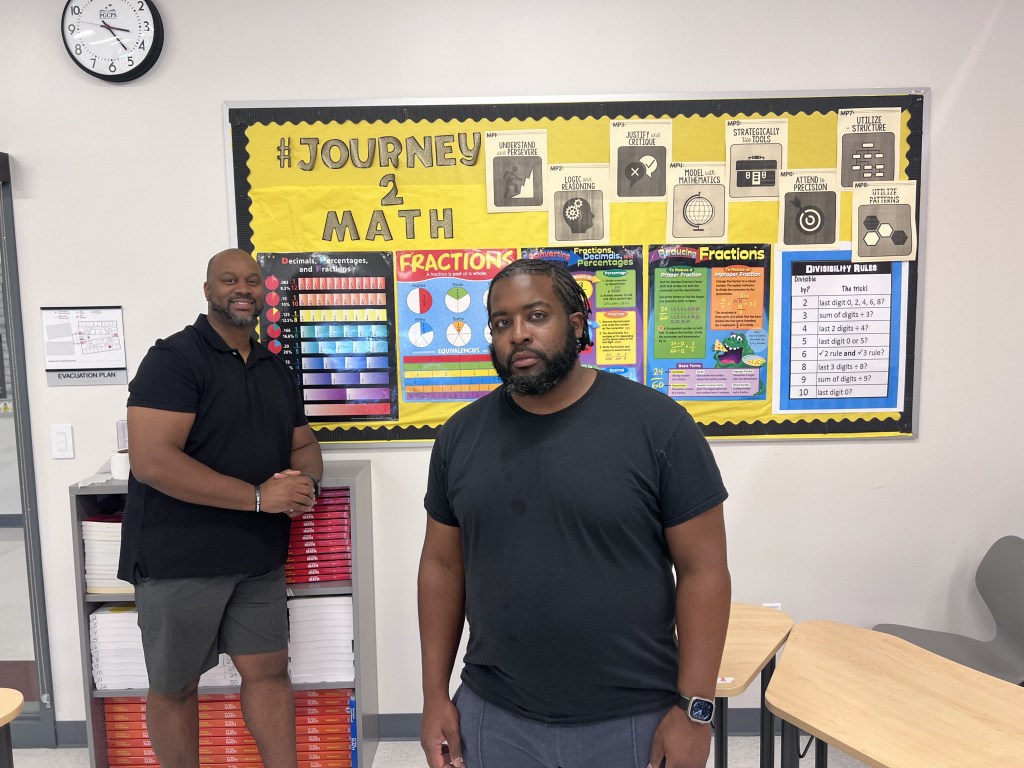
Brian Boles; A 7th grade math educator at Drew-Freeman Middle School says; “We are apart of the 2 percent marginal displacement where majority of the education field is taught by women. While we appreciate our women educators, but the presence of a male matters the most to young boys growing up thought their hormonal stages, in their early teens, and the transition from high school into young adulthood”.
By witnessing men working in nurturing, caring, and educational roles, students are encouraged to challenge preconceived notions about traditional gender roles. This, in turn, fosters a more inclusive society where individuals are free to pursue their passions and interests without the constraints of outdated stereotypes.
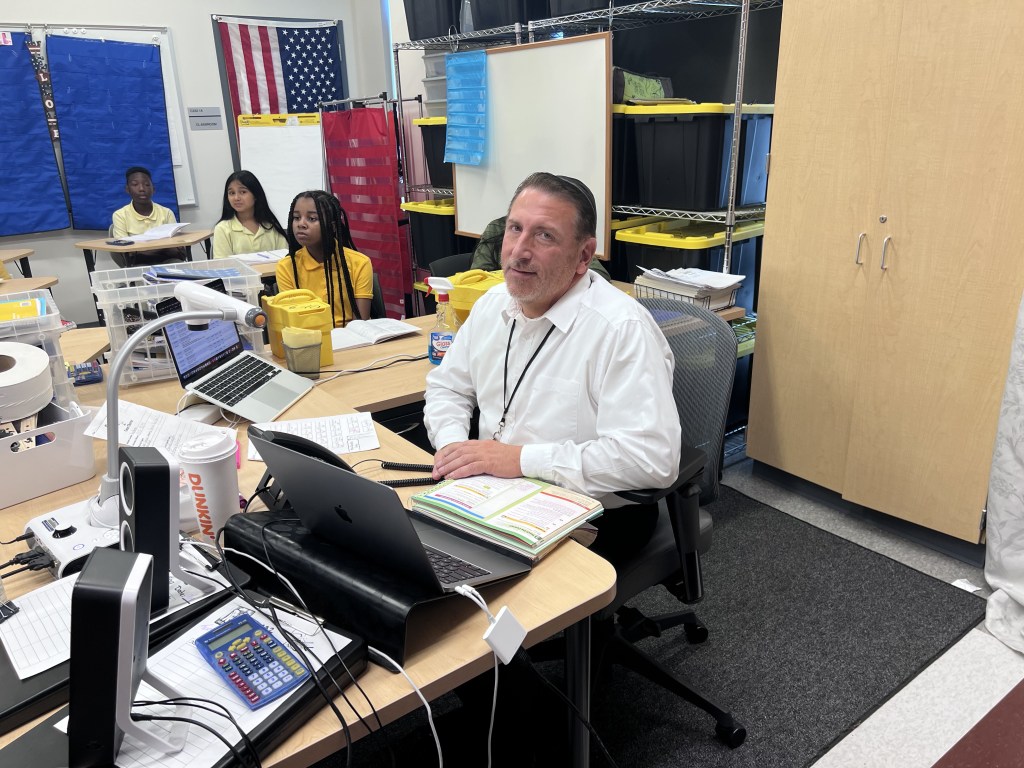
Male educators contribute significantly to addressing the achievement gap, particularly among male students. Research has shown that male students, especially those from underprivileged backgrounds, often perform better academically when they have male teachers who serve as mentors and positive role models. The presence of male teachers boosts the self-esteem and confidence of young boys, ultimately leading to improved academic outcomes.
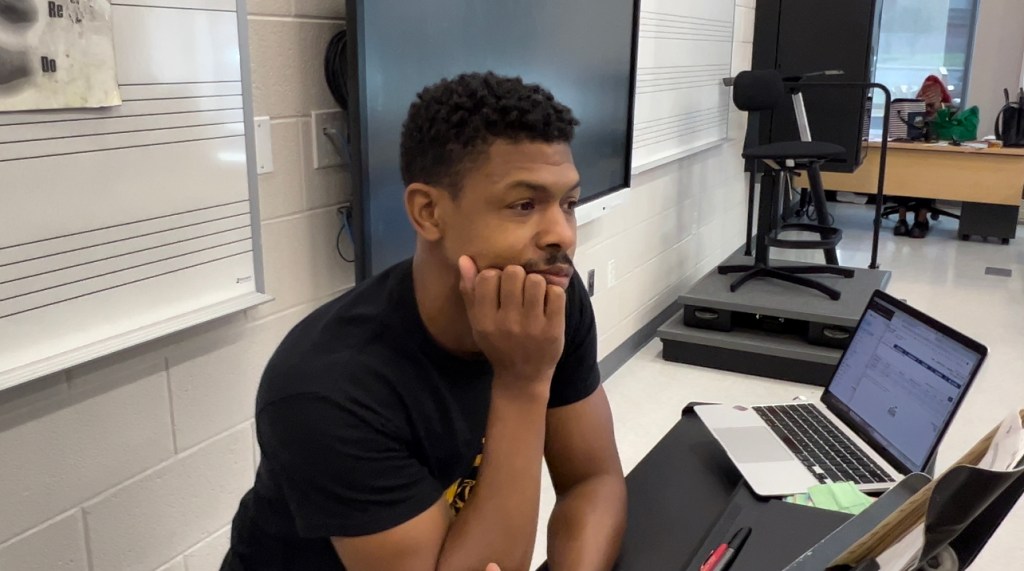
Marvin Burton; a music educator at Drew-Freemen Middle School says; “One reason why male representation is important is for direct role modeling to show leadership due to our diverse communities. These students need to see males in their earlier stages giving them quality motivation and encouragement.”
By encouraging and supporting more men to pursue careers in education, we create a richer, more inclusive learning environment that benefits everyone involved. We must recognize the significance of male representation in public schools and take steps to ensure that our educational institutions reflect the diversity and equality we strive for in society.
 The Yaptain's Corner
Leave a comment