
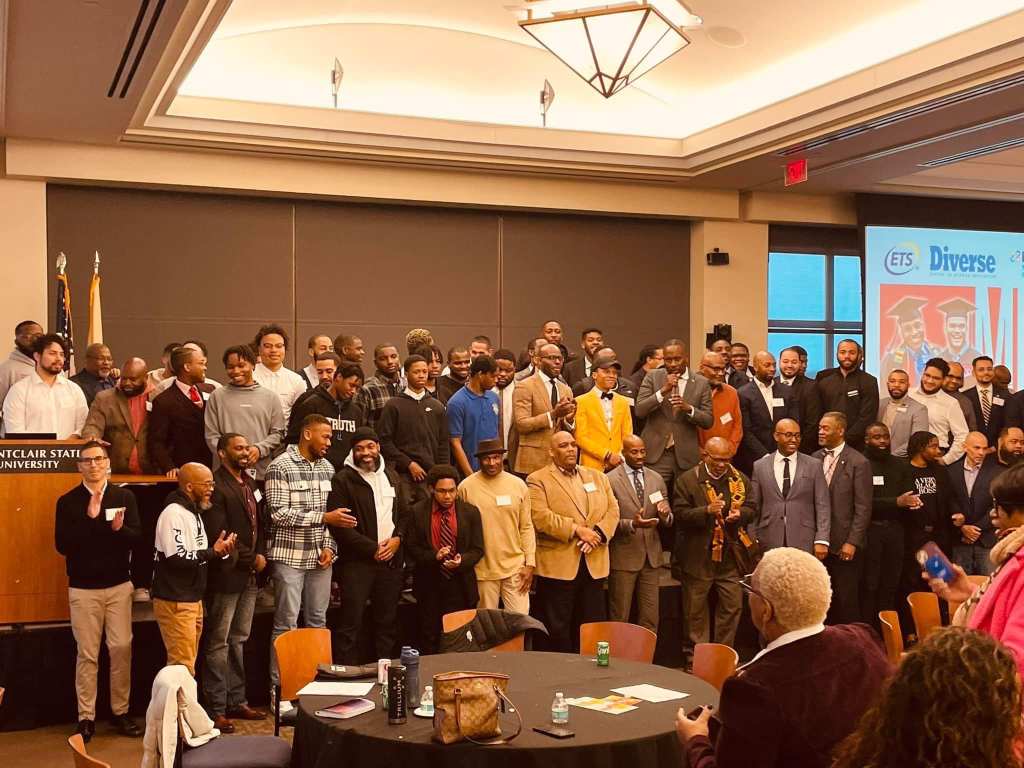
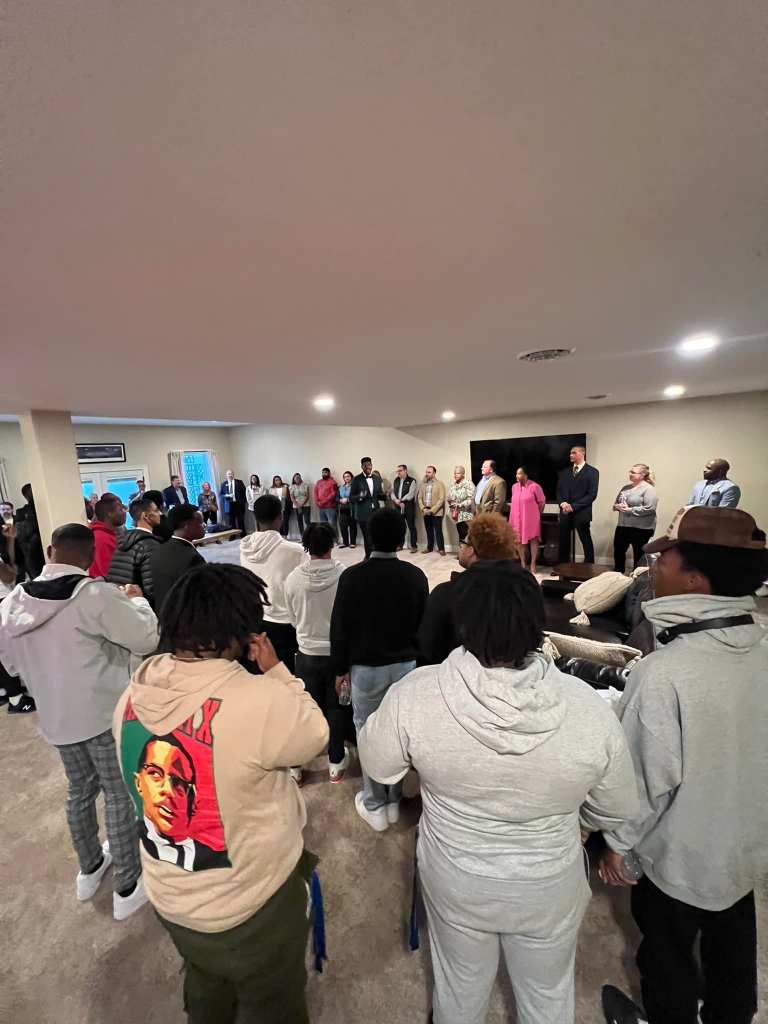
Mentoring holds tremendous potential to positively influence young individuals’ lives, and the impact can be particularly profound for Black boys. Mentoring programs explicitly tailored to the needs and experiences of Black boys offer them guidance, support, and empowerment, leading to significant improvements in their mental health and overall well-being.
Mentoring relationships play a vital role in the lives of Black boys by providing them with positive role models who understand their unique challenges and aspirations. Often from similar backgrounds, mentors serve as relatable figures who have successfully navigated similar circumstances. This connection helps to counter negative stereotypes and instill a sense of pride and self-worth. By witnessing the success and resilience of their mentors, Black boys are inspired to overcome obstacles and embrace their full potential, ultimately fostering a positive mindset and bolstering their mental well-being.
Mentoring programs addressing racial trauma and identity provide Black boys with a safe space to process their experiences, emotions, and development of racial identity. These programs acknowledge the systemic racism and discrimination Black boys may face and offer tools to cope with the resulting challenges. Mentors provide guidance, support, and validation, helping young Black boys navigate the complexities of racial dynamics, build resilience, and develop a strong sense of self. By fostering a positive racial identity, mentoring plays a crucial role in mitigating the negative mental health impact of racism and promoting overall well-being.
Mentoring programs focused on academic success provide Black boys valuable guidance, encouragement, and academic support. Mentors help navigate educational systems, set goals, and offer resources that may otherwise be inaccessible. By empowering Black boys to excel academically, mentors contribute to their self-confidence, reduce stress related to academic pressures, and pave the way for future success. This positive impact on educational outcomes directly correlates with mental health, as academic achievements often translate into increased self-esteem, resilience, and overall well-being.
Mentoring programs tailored to the unique needs and experiences of Black boys have the potential to transform lives and significantly improve mental health outcomes. By providing positive role models, addressing racial trauma and identity, and promoting educational success, mentoring empowers Black boys to overcome adversity and thrive. Investing in and expanding mentoring initiatives is essential to create a brighter future for Black boys and nurture their mental well-being.
 The Yaptain's Corner
Leave a comment